Cadillac
Product Library Refresh
Overview
01 — The briefAn AI-assisted content system designed to scale premium Cadillac assets without sacrificing craft.
Cadillac needed a flexible library of product imagery that could be built once and reused across many campaigns, nameplates, formats and channels. The challenge was a workflow capable of producing premium post-produced imagery at volume, holding realism, material accuracy and Cadillac's elevated brand standards while reducing production time and cost at the same time.
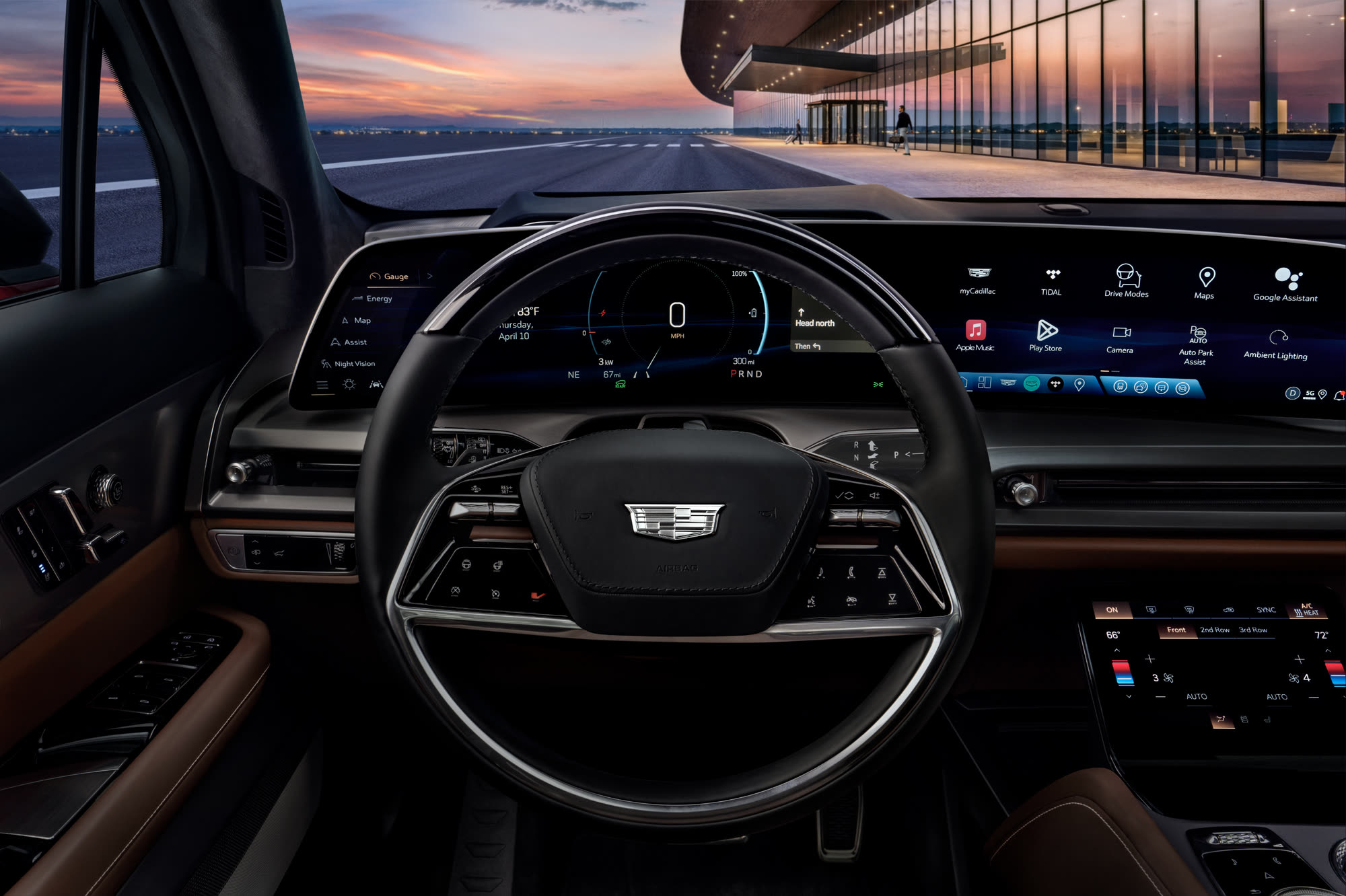
Concept & approach
02 — The systemA hybrid production model where AI supported traditional craft rather than replacing it.
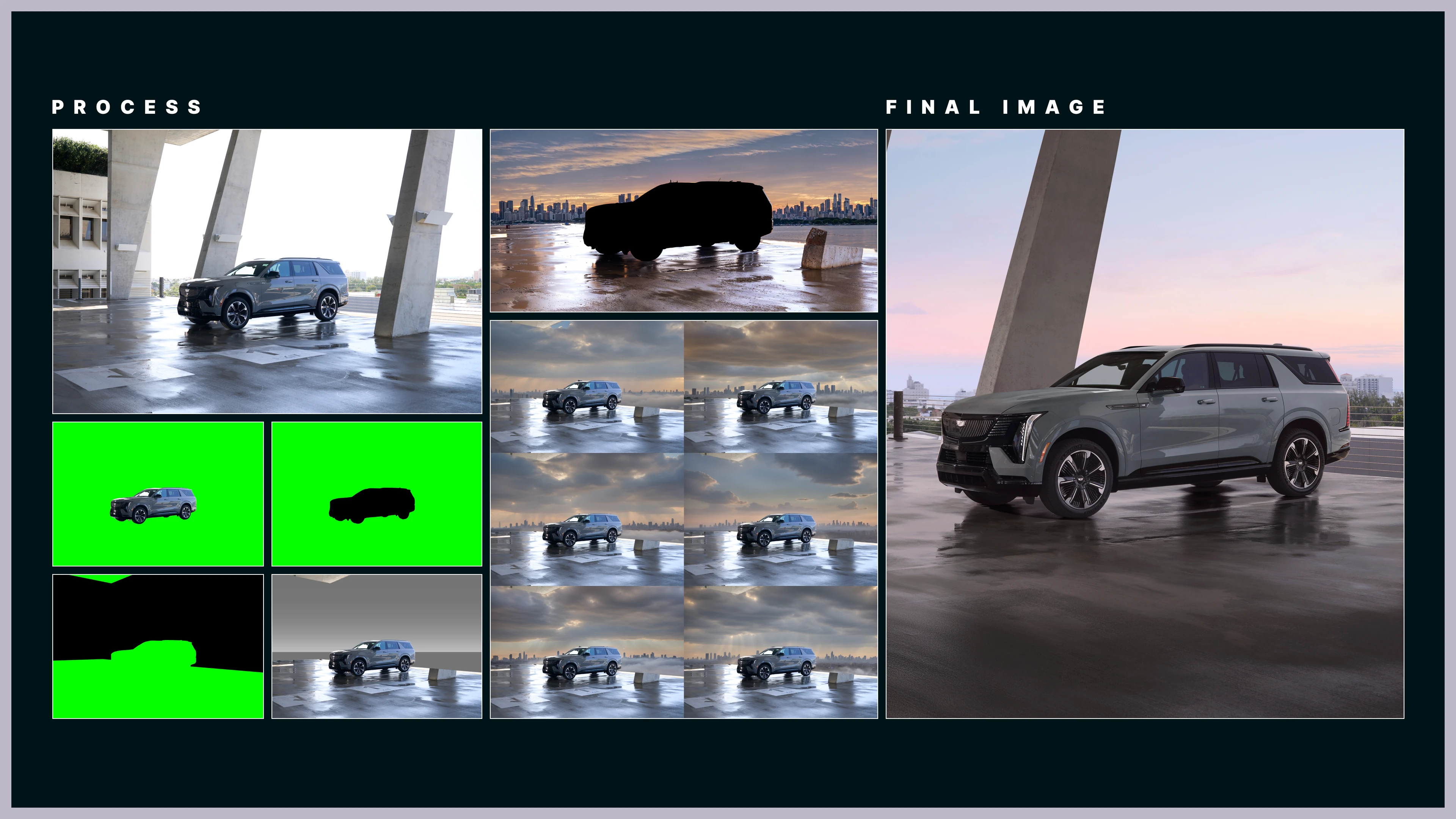
I led the creative direction and designed the workflow: the quality checkpoints, the visual standards, and the rules for when an environment is enhanced with AI and when it is refined by hand. Every environment started as a rough sketch in Photoshop and Procreate that fixed the horizon, the light and where the car sits, so those calls were made by hand before anything was generated.
Stable Diffusion then generated against that structure, not a description, which held composition and brand consistency across the set. Retouchers carried the heaviest lift after that, working every frame by hand: edges, reflections in glass and paint, and the grade. I worked the environment replacements alongside them, and the swap had to be invisible.
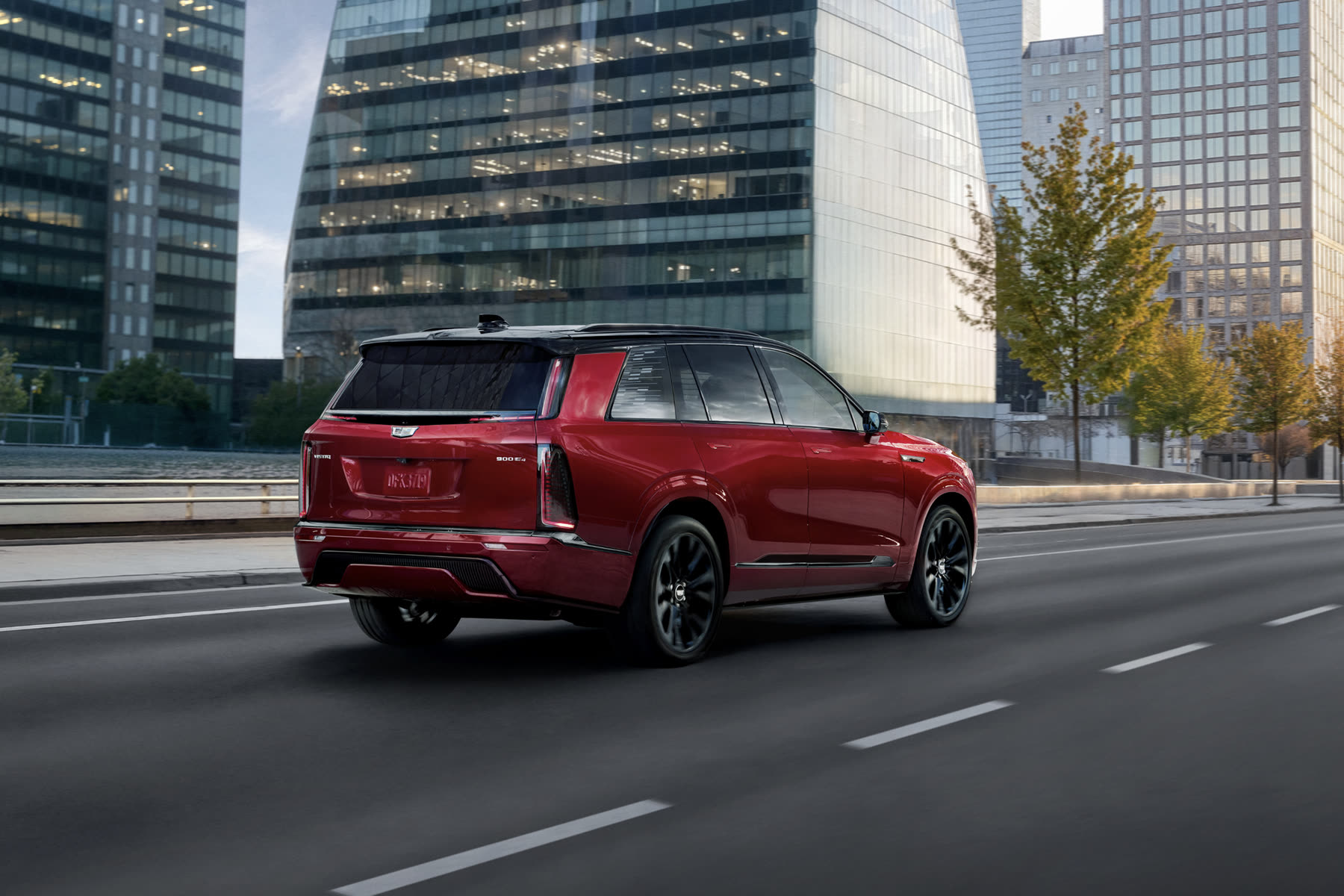
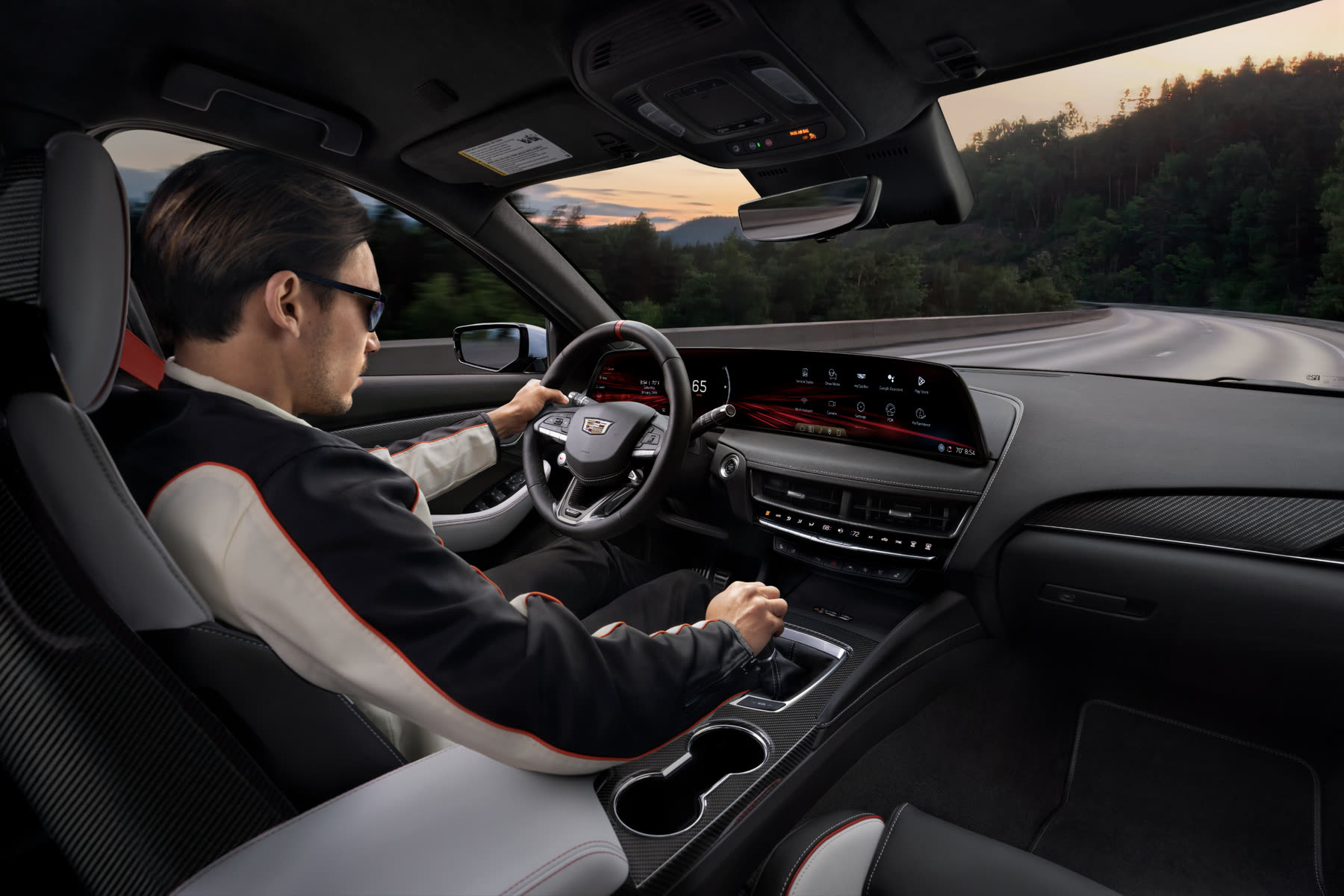
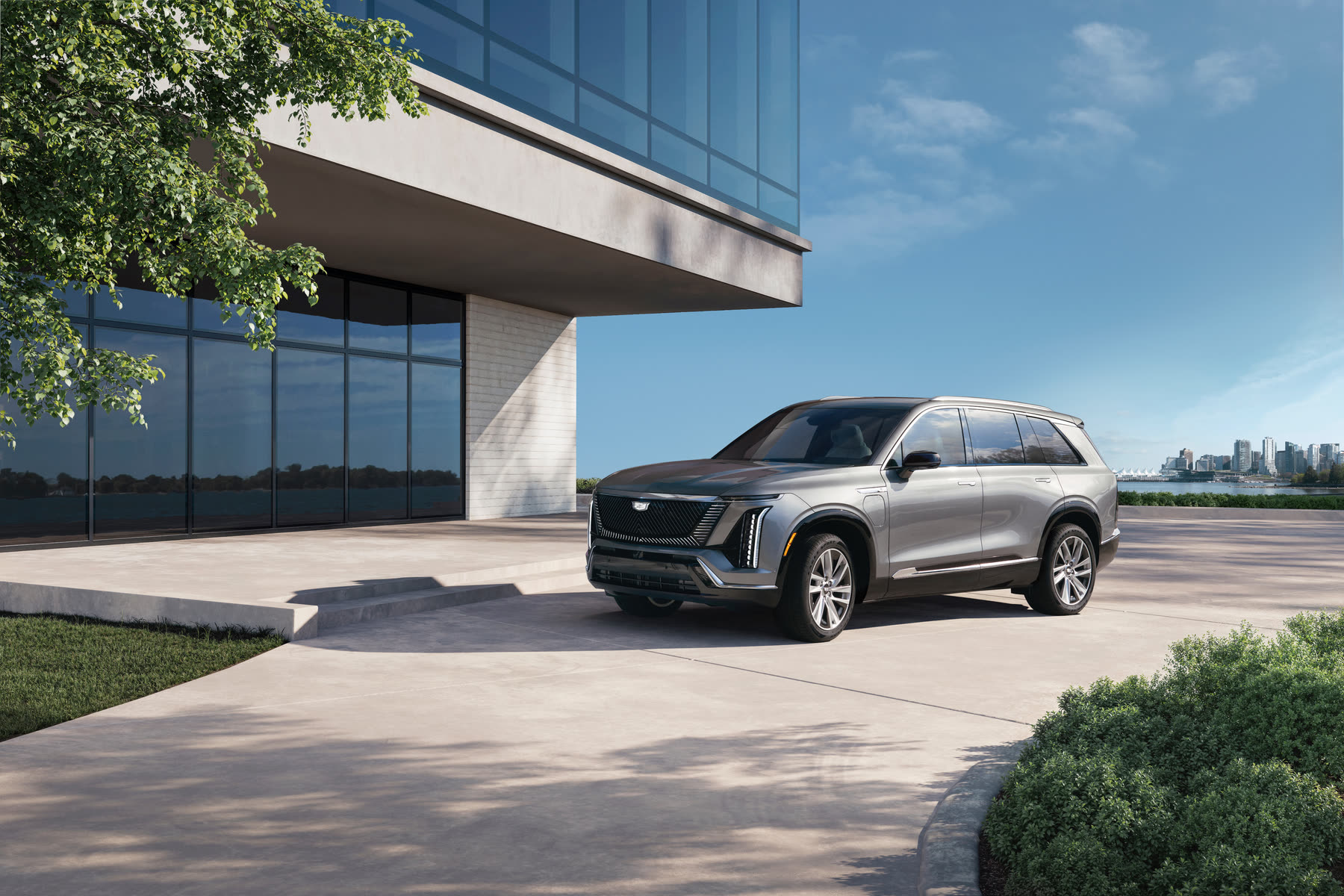
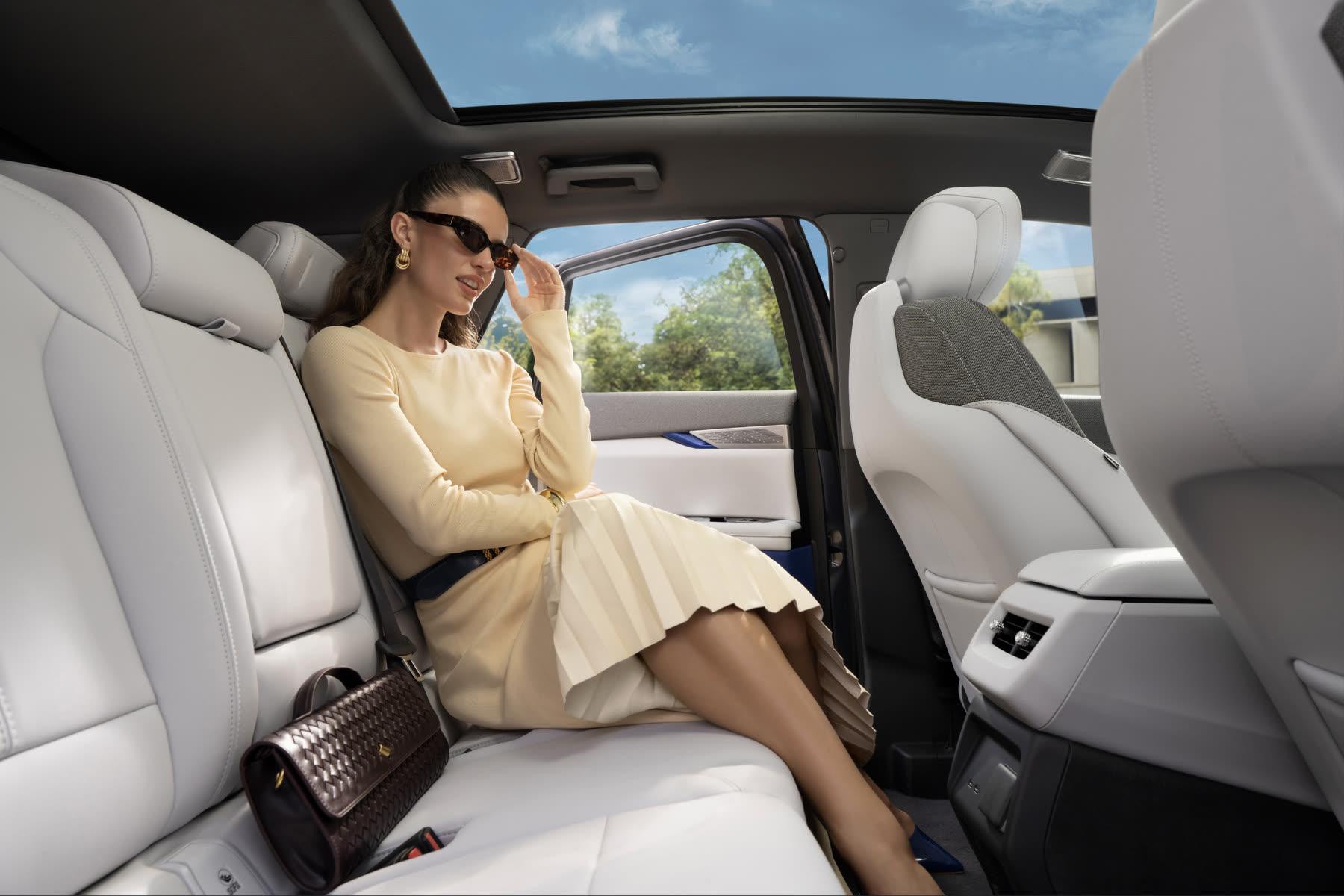
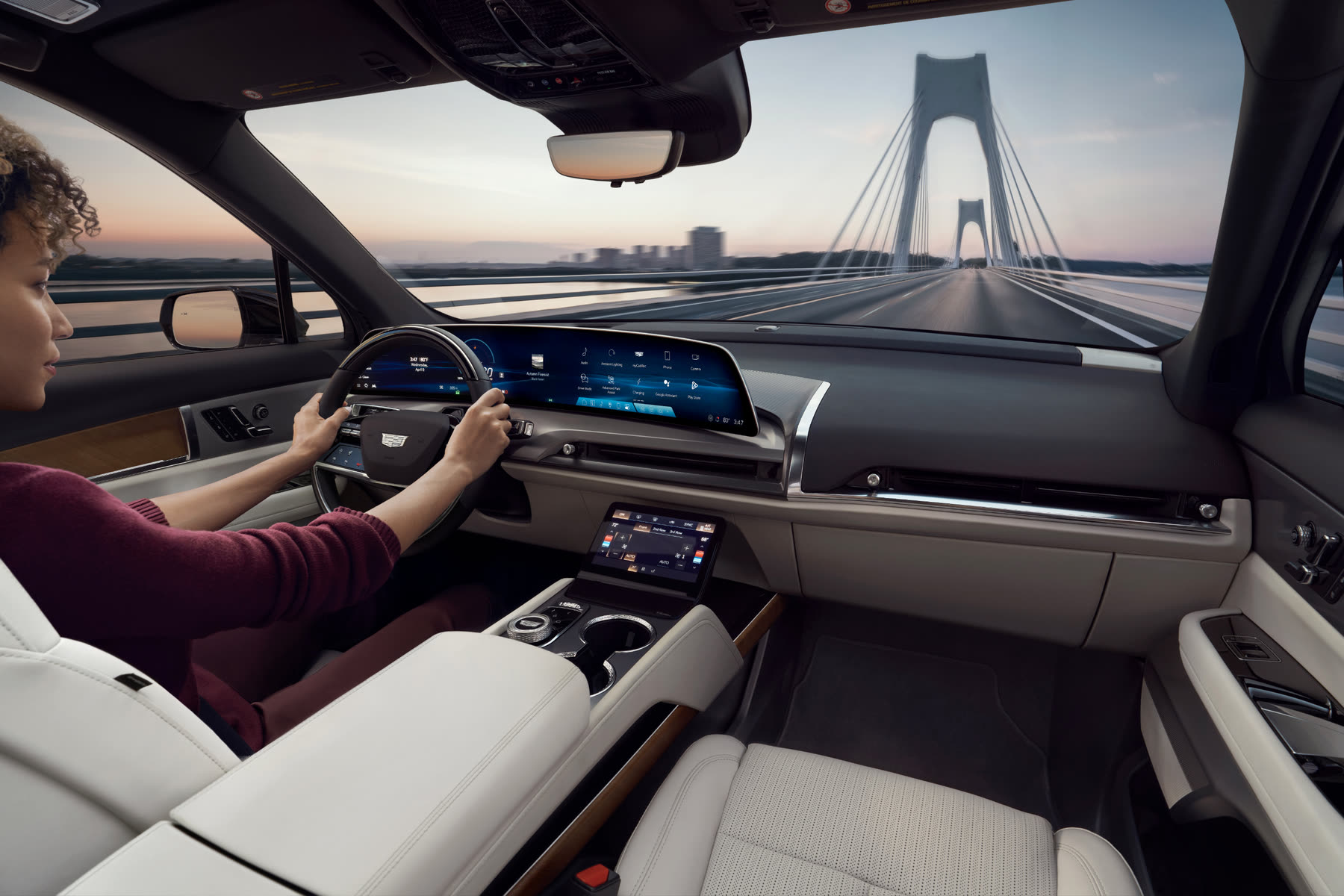
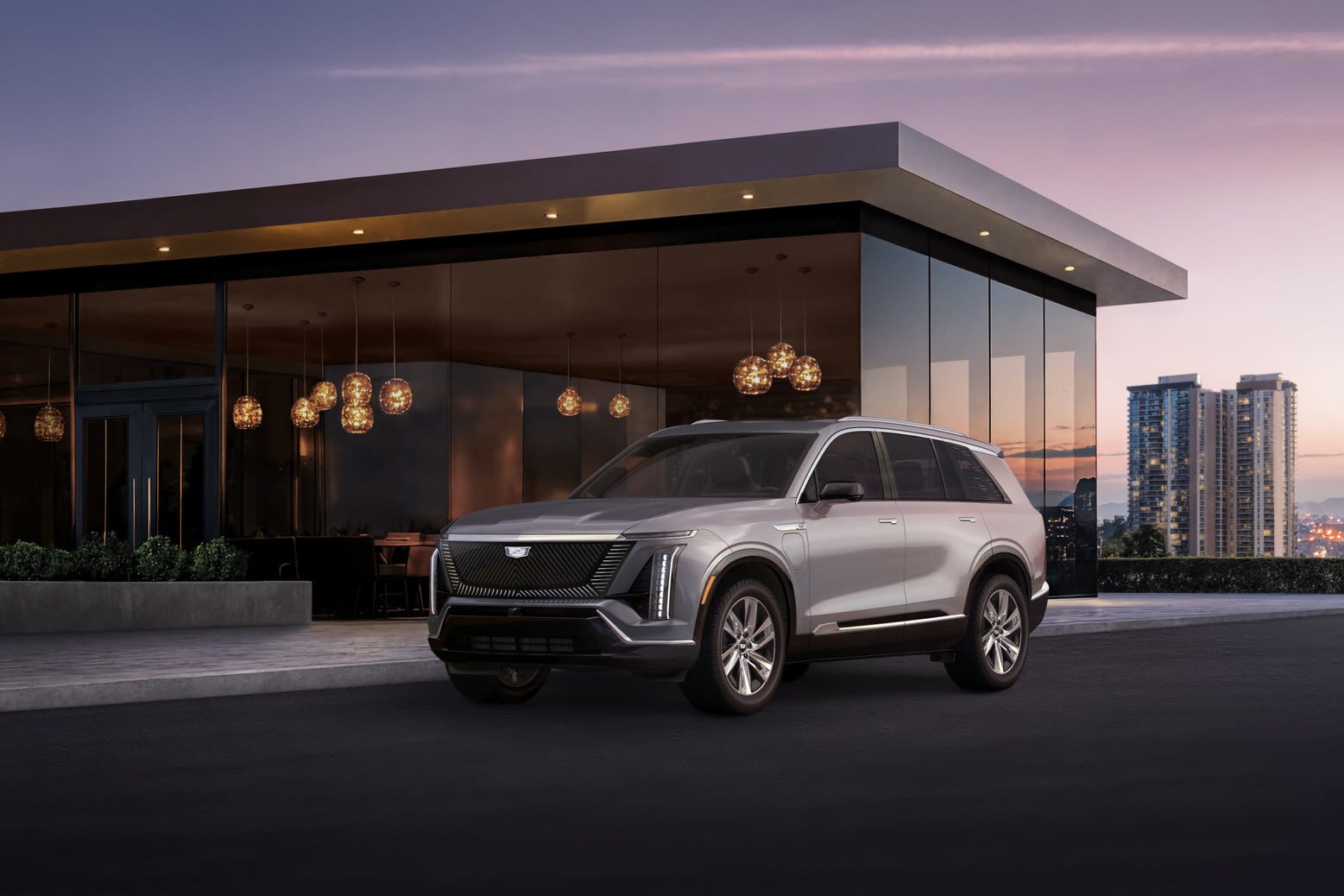
Interiors and exteriors from one library. Every environment behind the glass and beyond the body is replaced.
Where automation met art direction, and scale met standards.
Underneath
03 — How the swap was made invisible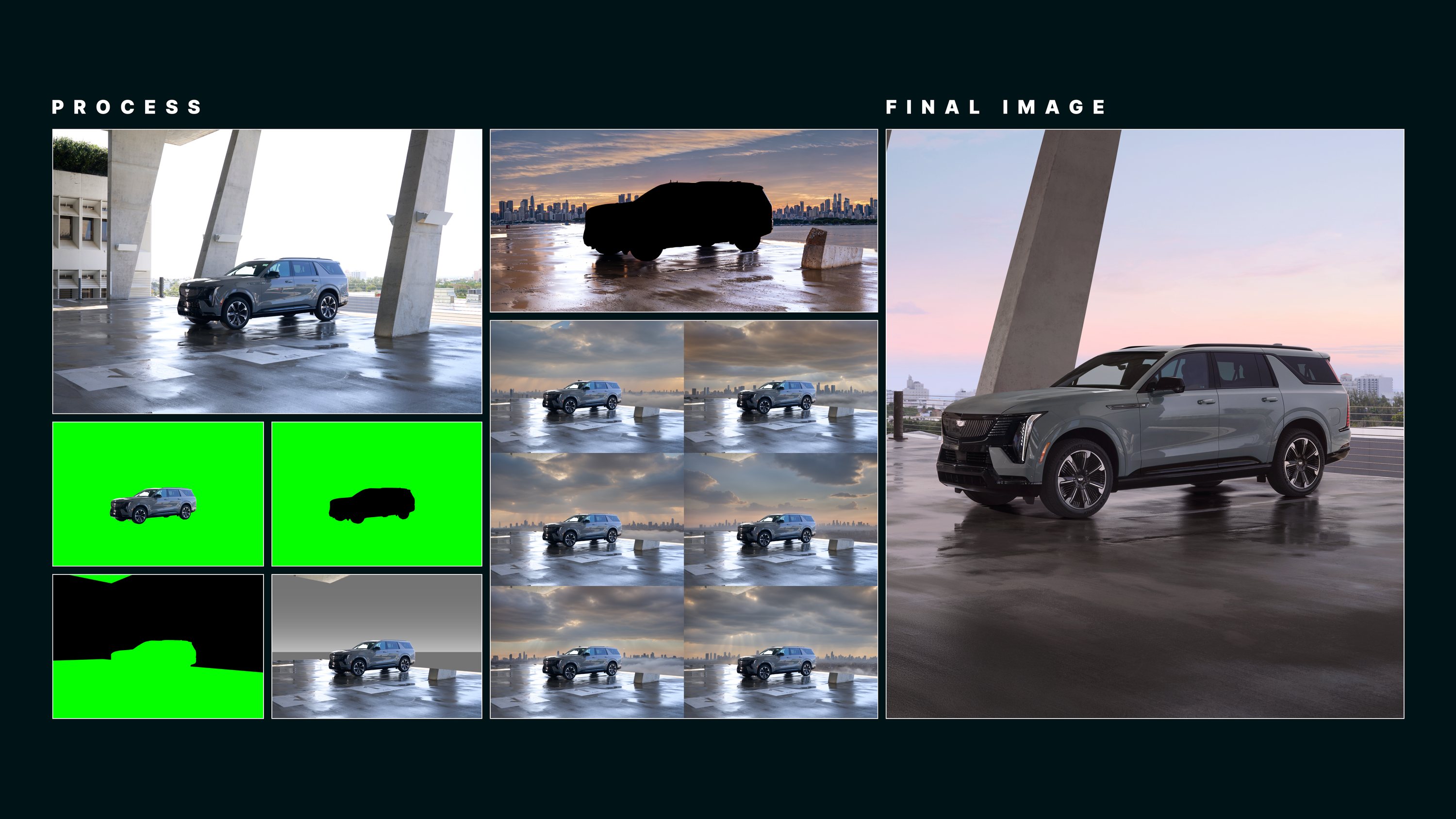
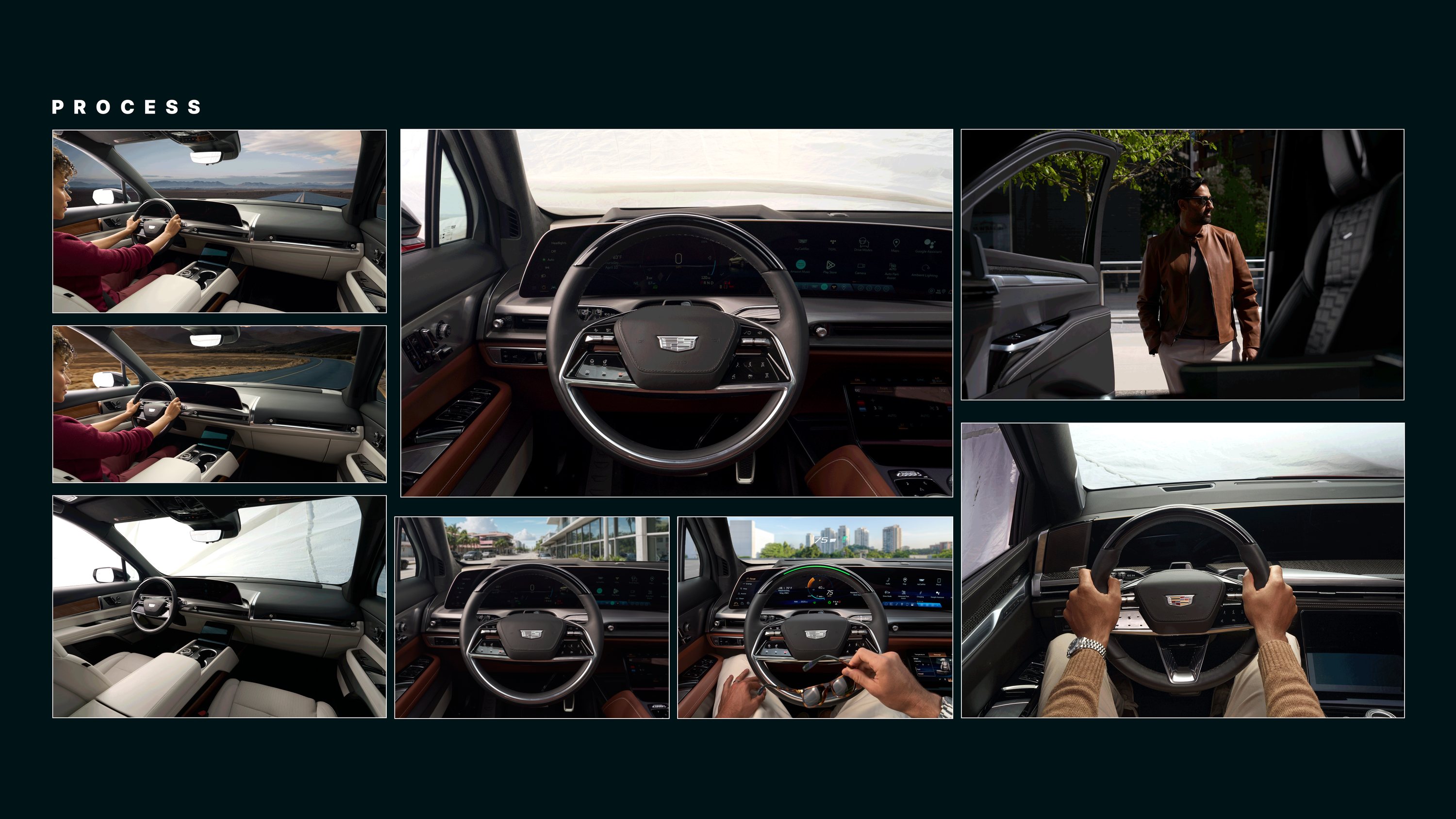
Results
04 — What it provedThe final system proved that efficiency and premium quality can coexist.
The library delivered a versatile set of reusable, high-quality assets that could be adapted across many campaigns, nameplates and channels. The process reduced production timelines and costs, increased visual variety, and held brand consistency at scale.
More importantly, it showed that AI-led scalability and high-end creative standards are not opposites when someone is steering.